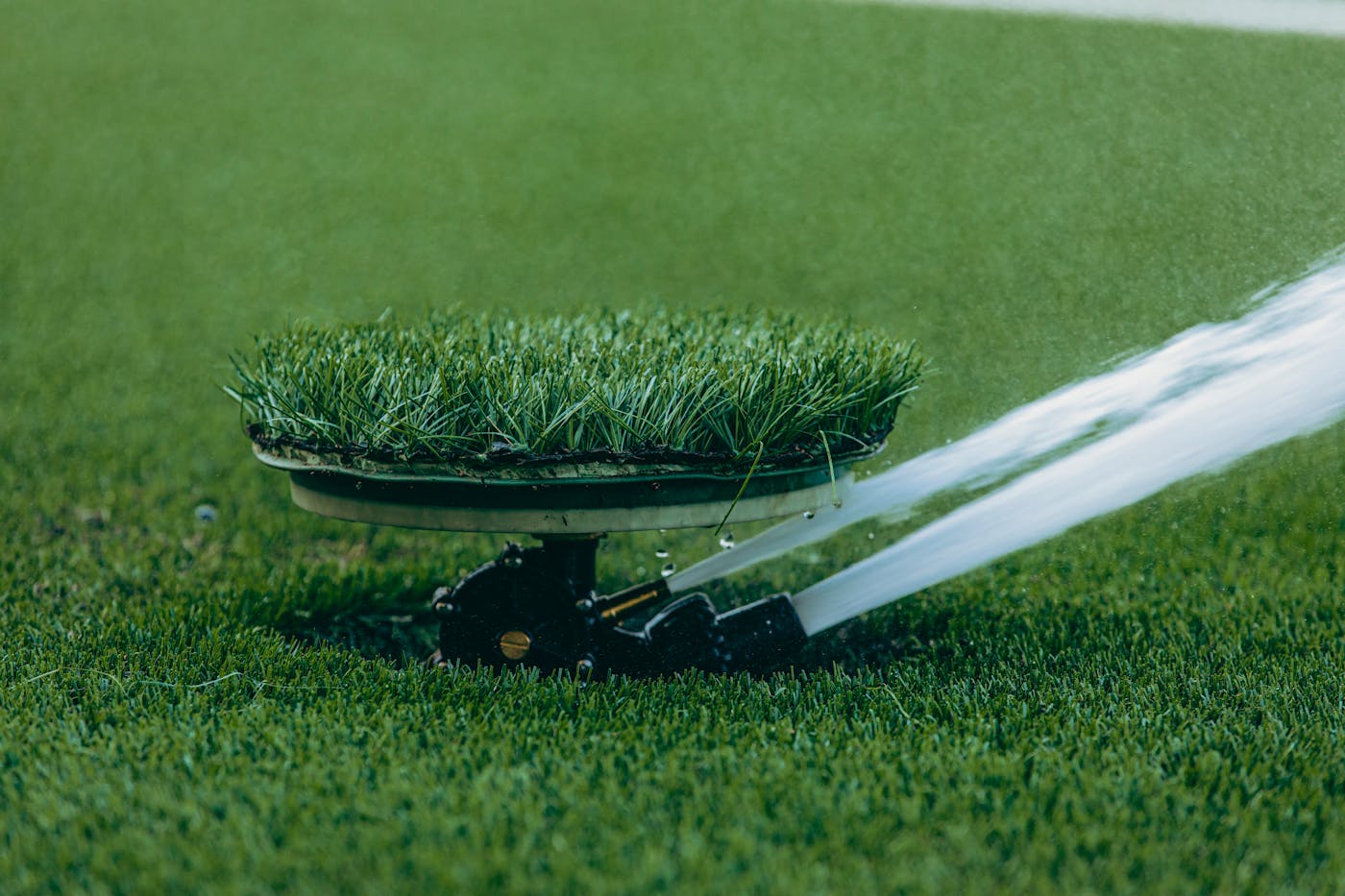
Sprinkler System Installation in Osceola County, FL: Custom Designs + Smart Controllers
If you want a greener lawn without wasting water, a well-planned sprinkler system is the key. In Osceola County, Florida, sandy soil and seasonal rain patterns can make watering tricky. A custom-designed sprinkler system installation helps you deliver the right amount of water to the right areas, every time.
Professional sprinkler system design also protects your landscape investments. Proper spacing, nozzle selection, and coverage planning reduce dry spots and prevent overwatering. With smart controllers, you can adjust schedules based on weather and seasonal changes, especially during the rainy season from May to October.
Why Sprinkler Systems Matter in Osceola County
Osceola County sits in USDA climate zones 9b to 10a, with hot summers and a distinct rainy season. From May through October, storms can bring heavy rain, which means traditional timers may keep running even when your yard is already wet. That can lead to runoff, fungus risk, and higher water bills.
At the same time, Central Florida’s sandy and sandy-loam soils drain quickly. Water can move down through the ground faster than many homeowners expect. Without the right cycle times and sprinkler head selection, lawns can dry out between watering sessions.
A good sprinkler system balances all of that. It delivers consistent coverage, uses efficient watering patterns, and includes controls that respond to real conditions.
Local Conditions That Affect Sprinkler System Design
Sandy Soil (Sandy/Sandy Loam) Needs Careful Scheduling
Sandy soil has lower water-holding capacity, so it often needs shorter run times delivered in multiple cycles. This helps water soak in rather than run off. In many yards, the best results come from “cycle and soak” programming, which is easier to manage with a smart sprinkler system.
Your design should also consider how quickly water spreads across your property. Some areas may absorb faster due to soil type differences, compacted zones, or changes near walkways and driveways.
Rainy Season (May–October) Changes Water Requirements
During the rainy season, rainfall can vary from day to day. A fixed schedule may overwater during storms and then leave the lawn under-watered when rain pauses. Smart controllers help solve this by using weather-based adjustments or rain-skip logic.
Even with rainfall, plants still need regular deep watering to maintain healthy root systems. The goal is not just “more water,” but water applied at the right times and amounts.
Climate Zone 9b–10a: Heat and Evaporation
Florida heat increases evaporation, especially in open areas with full sun. That means automatic sprinklers may need coverage that accounts for wind drift and sun exposure. Head placement, pressure regulation, and sprinkler type all affect how much water lands where you want it.
A professional design also considers the microclimates in your yard. Shaded areas near trees or structures often need less frequent watering than sunny front lawns.
Understanding Osceola County Land Development Code Requirements
Sprinkler system installation in Osceola County should follow local standards and permit expectations. The Osceola County Land Development Code covers site requirements that can affect irrigation layouts, landscaping placement, and how systems connect to water sources.
While the exact approval steps can vary by project type, a compliant plan usually includes:
- Clear layout showing sprinkler head locations
- Proper backflow prevention
- Safe routing of lines and electrical components
- Consideration of setbacks and landscape requirements
Working with a contractor who understands local code expectations helps you avoid delays. It also supports safer installation practices and better long-term performance.
What “Custom-Designed” Really Means for Your Lawn
A custom sprinkler system is not just a standard layout with the same head spacing everywhere. Your lawn’s shape, slope, grass type, sun exposure, and soil conditions all affect the design.
A proper plan typically includes:
- Zone mapping based on plant needs and sun exposure
- Correct head types for turf versus shrub beds
- Coverage overlap to prevent dry stripes
- Pressure and flow calculations for consistent performance
- Controller programming tailored to local weather patterns
This is especially important in Central Florida, where lawns can look uniform from the street but behave differently once you check soil moisture and drainage.
Smart Sprinkler System Benefits for Osceola County
Weather-Based Adjustments and Rain Skip
A smart sprinkler system uses sensors and/or weather data to adjust schedules automatically. During rainy season, it can pause watering when conditions don’t require it. That reduces waste and helps keep your lawn healthy.
Instead of manually changing settings every month, you get more consistent watering with less guesswork. Many homeowners notice fewer dry patches and fewer overwatered areas after switching to smart control.
Efficient Water Coverage with Better Control
Smart controllers also support more precise zone scheduling. You can set different run times for each zone based on grass type, sun exposure, and soil conditions. That matters in sandy soil, where overwatering can cause runoff while underwatering can cause quick drying.
With smart scheduling, you can fine-tune cycle and soak times. You can also run short “maintenance” cycles during hot weeks without overwatering the entire yard.
Easier Monitoring and Seasonal Updates
If you travel, don’t want to think about irrigation, or want to keep the system dialed in, remote control features help. Many smart controllers allow you to check schedules, view watering history, and adjust settings from a phone.
This can be a big advantage in Osceola County, where weather swings can happen quickly. You’ll spend less time troubleshooting and more time enjoying your lawn.
Types of Sprinkler Systems Used for Osceola County Lawns
In-Ground Automatic Sprinklers
Most residential yards in Osceola County use in-ground sprinkler systems. These systems use pop-up heads for lawns and spray or rotor options depending on the coverage area.
In-ground automatic sprinklers are popular because they:
- Provide clean, low-profile coverage
- Reduce trip hazards compared to hoses
- Deliver consistent water distribution
- Support zone-based control
Drip Irrigation for Shrub Beds and Landscaping
While lawn sprinklers handle turf, drip irrigation often works better for landscaped areas. Shrubs, ornamentals, and flower beds usually benefit from targeted watering that reduces runoff.
A smart design may combine both systems. Turf zones get automatic coverage, while beds get drip lines with separate scheduling.
Rotary vs. Spray Heads (How to Choose)
Rotor heads or rotary sprinklers are often used for larger coverage distances. Spray heads are commonly used for smaller areas and tighter spacing.
The right choice depends on:
- The distance from head to head
- Wind exposure
- Desired precipitation rate
- The type of grass and root depth
A professional installer will match head selection to the layout and water pressure. This prevents misting loss and helps avoid uneven coverage.
Grass Types Common in Osceola County (and Watering Needs)
Osceola County lawns often include a mix of warm-season grasses. Different grasses respond differently to watering frequency and soil moisture.
St. Augustine Grass
St. Augustine is common in Central Florida due to its lush growth and shade tolerance. It generally benefits from consistent watering that encourages strong root development.
For sandy soil, watering too infrequently can cause stress, while watering too often can keep the surface wet. A smart sprinkler system helps balance this with zone-specific programming.
Bahia Grass
Bahia grass is known for its hardiness and drought tolerance. However, even hardy grasses need deep watering to establish strong roots and maintain color during dry spells.
Automatic sprinklers should be calibrated to avoid overwatering. Bahia can handle less frequent watering than softer turf types, depending on your yard conditions.
Zoysia Grass
Zoysia is popular for its dense growth and durability. It can tolerate some dry periods, but it still needs proper irrigation during hot stretches.
Because Zoysia can form a thick canopy, watering schedules should focus on deep moisture rather than frequent light watering. Smart controls can help adjust schedules as seasons change.
Planning Your Sprinkler System Layout
Map Your Yard by Sun, Shade, and Slope
A sprinkler system installation plan starts with a layout survey. Installers typically evaluate:
- Full sun versus partial shade
- Tree canopy coverage
- Slopes that can cause runoff
- Walkways, driveways, and patios
Sandy soil plus slope can create runoff quickly. That’s why head placement and cycle times matter.
Group Areas with Similar Water Needs
Zones should be built around similar watering requirements. Turf zones with the same grass type and sun exposure may share a schedule. Areas with different plants should get separate zones.
This zoning approach prevents the “one schedule fits all” problem. It also helps you avoid dry patches in one area while another area stays soggy.
Plan for Coverage Overlap
Sprinkler heads should be spaced correctly to avoid gaps. Even small coverage gaps can create visible dry strips over time.
Overlap is also important for windy conditions. In Osceola County, afternoon breezes can shift spray patterns, so proper placement and head selection help water land where it should.
The Installation Process: What to Expect
1) Site Assessment and System Design
Your contractor should start with a walk-through and layout planning. Expect questions about your lawn, landscaping, and any existing irrigation or water sources.
A quality design includes zone mapping, head types, and estimated coverage based on local conditions and grass types.
2) Permits, Code Requirements, and Backflow Prevention
Sprinkler system installation often requires permitting and compliance with local standards. Backflow prevention is a key safety requirement for many irrigation setups.
If you’re connecting to a municipal water supply, the system should include proper backflow protection. This helps protect the water system and supports code compliance.
3) Trenching, Pipe Installation, and Head Placement
During installation, crews trench to the correct depth for lines. They install piping, valves, and emitters, then place sprinkler heads at the planned locations.
In sandy soils, trench depth and pipe protection help reduce future settling issues. Proper installation also supports long-term reliability.
4) Pressure Testing and System Tuning
After installation, the system should be pressure tested. Then it’s adjusted to ensure uniform coverage across each zone.
Tuning includes adjusting spray patterns, checking for misting loss, and confirming that each zone runs properly. This step is where many systems either perform well or fall short.
5) Smart Controller Setup and Programming
If you’re installing a smart sprinkler system, the controller should be configured correctly for your zones. Programming should reflect:
- Grass type needs
- Zone layout
- Local weather patterns
- Rainy season adjustments
A professional installer will also explain how to use the app or control panel. You should know how to check schedules and make seasonal updates.
Maintenance Tips to Keep Your System Efficient
A sprinkler system is an investment. With a few routine checks, you can keep it running efficiently for years.
Check for Leaks and Broken Heads
Look for signs of leaks such as soggy areas, unusual pooling, or pressure drops. Broken or clogged heads can lead to dry spots and uneven coverage.
In Central Florida, debris and mineral buildup can affect performance. Quick repairs help prevent bigger issues.
Clean Filters and Inspect Emitters
If you have drip irrigation in beds, check filters and inspect emitters. A clogged emitter can reduce watering to certain plants, even if the zone runs normally.
Adjust Schedules Seasonally
Even with smart irrigation, you should review settings as seasons shift. In Osceola County, watering needs often change from the hot dry stretch into the rainy months.
Smart controllers help, but your lawn still responds to sun, growth, and heat. Seasonal review keeps your system accurate.
Set Proper Run Times for Sandy Soil
In sandy soil, long run times can cause runoff. Shorter cycles with adequate soaking time typically work better.
Your installer should program cycle and soak behavior if your system and controller support it. This is one of the most effective ways to improve efficiency.
Common Mistakes to Avoid with Sprinkler System Installation
Using the Wrong Head Type or Spacing
A system that looks “close enough” from a diagram can still create uneven coverage. Incorrect spacing can cause dry stripes that become obvious later.
Ignoring Wind and Sun Exposure
Spray patterns can drift in windy conditions. Full-sun areas also evaporate faster than shaded zones. Your design should account for both.
Skipping Smart Controls
If you rely on manual timers, you’ll likely overwater during rainy season and underwater during dry breaks. A smart sprinkler system helps reduce that cycle.
Not Considering Osceola County Code Expectations
Skipping permitting or failing to include required safety components can delay your project. It can also create issues during inspections.
A reputable installer will handle the planning and documentation needed for a smooth process.
How to Choose a Sprinkler Installation Contractor in Osceola County
When comparing quotes, look beyond price. A strong sprinkler system installation includes design, tuning, and code-aware planning.
Choose a contractor who:
- Designs zones based on soil, sun, and grass type
- Uses proper backflow prevention
- Tests pressure and adjusts coverage after installation
- Offers smart controller options and correct programming
- Explains maintenance and provides clear system guidance
Ask for examples of past installs in Central Florida. You can also request a walkthrough of how the system will operate zone by zone.
Cost Considerations (What Affects Your Sprinkler System Price)
Sprinkler system costs vary based on yard size, layout complexity, and whether you’re installing new lines or upgrading an existing system. Additional factors include:
- Number of zones
- Types of sprinkler heads (spray vs. rotor)
- Turf versus drip zones
- Controller and smart features
- Trenching complexity near structures and hardscapes
While budget matters, the best value usually comes from correct design. A properly designed system reduces wasted water and prevents costly repairs from uneven coverage.
Get Efficient Lawn Watering with the Right System Design
Osceola County lawns face unique challenges: sandy soil, hot weather, and a rainy season that can disrupt fixed schedules. That’s why sprinkler system installation should be custom-designed, not generic.
With well-planned sprinkler zones, correct head choices, and smart controllers, you get consistent water coverage and better control of your landscape. You spend less time adjusting settings and more time enjoying a healthy, attractive yard.
FAQ: Sprinkler System Installation in Osceola County, FL
How long does sprinkler system installation take in Osceola County?
Most residential installations take a few days to a week, depending on yard size, number of zones, and whether trenching is straightforward. Complex layouts, multiple zones, or hardscape obstacles can add time.
What’s the best sprinkler system for sandy soil in Central Florida?
For sandy/sandy-loam yards, designs often use proper cycle and soak scheduling, plus correctly spaced sprinkler heads. Smart controllers help fine-tune run times to reduce runoff and improve absorption.
Do I need a permit for sprinkler system installation in Osceola County?
Many projects require permits and compliance with Osceola County Land Development Code expectations. A qualified installer can help confirm what’s needed based on your property and system design.
Can a smart sprinkler system handle the rainy season (May–October)?
Yes. Smart controllers can pause or adjust watering during rainy periods using weather data and rain-skip features. This reduces overwatering and helps keep your lawn healthier.
Which grass types work best with automatic sprinklers in Osceola County?
St. Augustine, Bahia, and Zoysia are common in the area. Each grass type benefits from zone-specific scheduling based on sun exposure and how quickly your sandy soil drains.
How do I know if my sprinkler system is running inefficiently?
Signs include dry patches, uneven green areas, water pooling near heads, or consistently high water bills. Broken heads, clogged emitters, incorrect pressure, and poor zone programming are common causes.
What maintenance is required after installation?
Plan for seasonal checks, cleaning or replacing clogged parts, and inspecting for leaks or damaged heads. With smart controllers, you’ll also want to review schedules as weather patterns change.
Should I water at night or early morning?
Early morning is often the best time because evaporation is lower and wind is usually calmer. Your installer can recommend a schedule that fits your lawn type and Osceola County weather patterns.